The Chilean Citrus Committee has set four main objectives:
|
 |
|
|
|
|
|


The Chilean Citrus Committee has set four main objectives:
|
|
|
|
|
|
|
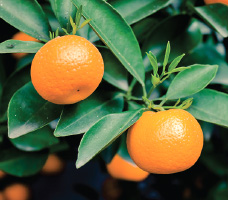
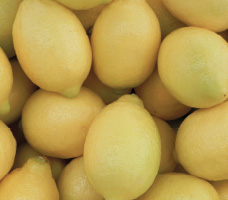
 Chile is the one - stop shop for everything fresh, offering more than 30 different species of fresh fruit, including lemons, clementines, mandarins, oranges and grapefruits, all of which are characterized by their distinctive colour, flavour, firmness and aroma.
The Chilean Citrus Committee is an entity that forms part of the Chilean Fruit Exporters Association (ASOEX) and its members represent 78% of the total volume of citrus exported from Chile to the world.
Our sector is committed to providing support and information to our trade partners, hence we put at your disposal a seasonal crop report in regards to the evolution of the Chilean citrus season. For more information please contact Esta dirección de correo electrónico está protegida contra spambots. Usted necesita tener Javascript activado para poder verla.
 |
 |
 |
 |
 |
INDUSTRY TIPS
Your guests will always know the difference between fresh and frozen. They'll appreciate the treat of a fresh Chilean orange juice glass, brimming with a full day's supply of Vitamin C and other important nutrients like folic acid.
Here are some tips to help maximize juice-related profits:
Think multiple day-parts: While people are most inclined to think "fresh-squeezed" in the morning, they'll appreciate fresh orange juice available round the clock as a snack, afternoon pick-me-up or lunch accompaniment.
Fresh squeezed juice is also perfect for upgrading your bar menu. Use fresh squeezed Chilean oranges, grapefruits, lemons or tangerines for exciting bar drinks that keeps your guests ordering another round.
Keep it in view: A juicer, or a pitcher of freshly squeezed juice displayed with some Chilean fresh oranges stimulates sales.
How to Make Attractive Chilean Citrus Garnishes
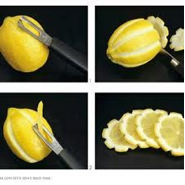
Fluted Cartwheel Slices:
Use a citrus zester. Hold the stem and blossom ends of the unpeeled fruit between your thumb and middle finger. Pull the zester through the peel from end to end, leaving about 1/4 to 1/2 inch between each cut. Cut cartwheel slices of desired thickness. If you don't have a citrus tool, use kitchen shears or a knife to cut notches around the peel of each cartwheel slice.
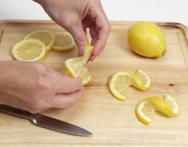
Cartwheel Twists:
Make one cut from the center of an unpeeled cartwheel slice through the outer peel. Twist the ends in opposite directions, standing the cartwheel gently. Use plain or decorate with parsley or watercress.
Zesting Chilean Citrus:
Lemon zest is the yellow outer peel of the lemon, which provides an aromatic flavor that enhances the flavor of many foods. The white part of the peel beneath the zest is the pith, which has a bitter taste. When removing the zest from a lemon, care should be taken to not remove the white pith along with it. The zest can be removed as thick or thin strips, very thin strands or grated pieces.
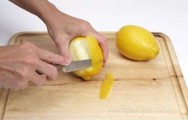
Wash lemons thoroughly before beginning preparation.
Lemon zest strips can be made by using the tip of a small knife and cutting vertical strips off the lemon.
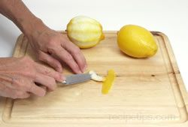
Be careful not to cut into the bitter pith layer when cutting strips of zest from the lemon. If you do get some of the pith layer, use the tip of the knife to cut or scrape the pith from the zest strip.
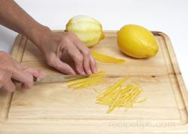
The strips can then be used as is or they can be trimmed to thinner strips, depending on the intended use.
To julienne, cut the strips lengthwise into the desired thickness.
You can also use oranges to get a different color zest strips.
INDUSTRY TIPS
Your guests will always know the difference between fresh and frozen.They'll appreciate the treat of a fresh Chilean orange juice glass, brimming with a full day's supply of Vitamin C and other important nutrients like folic acid.
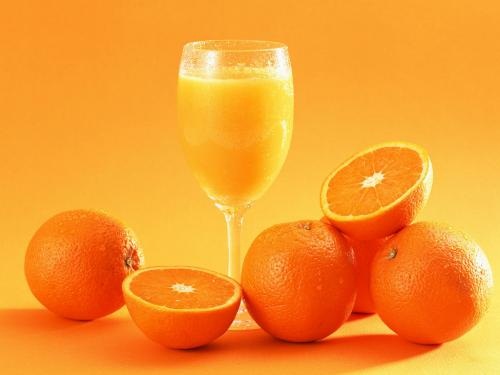
Here are some tips to help maximize juice-related profits:
Think multiple day-parts: While people are most inclined to think "fresh-squeezed" in the morning, they'll appreciate fresh orange juice available round the clock as a snack, afternoon pick-me-up or lunch accompaniment.
Fresh squeezed juice is also perfect for upgrading your bar menu. Use fresh squeezed Chilean oranges, grapefruits, lemons or tangerines for exciting bar drinks that keeps your guests ordering another round.
Keep it in view: A juicer, or a pitcher of freshly squeezed juice displayed with some Chilean fresh oranges stimulates sales.
How to Make Attractive Chilean Citrus Garnishes
Fluted Cartwheel Slices:
Use a citrus zester. Hold the stem and blossom ends of the unpeeled fruit between your thumb and middle finger. Pull the zester through the peel from end to end, leaving about 1/4 to 1/2 inch between each cut. Cut cartwheel slices of desired thickness. If you don't have a citrus tool, use kitchen shears or a knife to cut notches around the peel of each cartwheel slice.
Cartwheel Twists:
Make one cut from the center of an unpeeled cartwheel slice through the outer peel. Twist the ends in opposite directions, standing the cartwheel gently. Use plain or decorate with parsley or watercress.
Zesting Chilean Citrus:
Lemon zest is the yellow outer peel of the lemon, which provides an aromatic flavor that enhances the flavor of many foods. The white part of the peel beneath the zest is the pith, which has a bitter taste. When removing the zest from a lemon, care should be taken to not remove the white pith along with it. The zest can be removed as thick or thin strips, very thin strands or grated pieces.
Wash lemons thoroughly before beginning preparation.
Lemon zest strips can be made by using the tip of a small knife and cutting vertical strips off the lemon.
Be careful not to cut into the bitter pith layer when cutting strips of zest from the lemon. If you do get some of the pith layer, use the tip of the knife to cut or scrape the pith from the zest strip.
The strips can then be used as is or they can be trimmed to thinner strips, depending on the intended use.
To julienne, cut the strips lengthwise into the desired thickness.
You can also use oranges to get a different color zest strips.
Citrus fruits are characterized from a nutritional point of view, as a source of vitamins (vitamin C, folic acid and provitamin A), minerals (potassium, with a mild diuretic) and flavonoids (phytochemicals with antioxidant effects).
Citrus are also considered prebiotics because they favor the growth of beneficial microorganisms for the colon´s health, improving bowel movements and preventing colon cancer.
On the other hand the soluble fiber that provides us, is recommended for its satisfying effect and for improving conditions of constipation.






 |
Comité de Cítricos de Chile citricos@asoex.cl Tel: +56 2 - 2 472 4773 Fax: +56 2 - 2 206 4163 Cruz del Sur N° 133, Of. 703, Las Condes, Santiago, Chile |

